

close
Choose Your Site
Global
Social Media
Views: 0 Author: Site Editor Publish Time: 2026-06-08 Origin: Site


Capital allocation presents a tough zero-sum game for growing small contractors. Expanding operational capacity demands heavy machinery. However, buying brand-new iron brings steep initial depreciation. This often chokes off vital cash flow needed for payroll and materials.
Purchasing older units strategically shifts your focus. You move away from high upfront acquisition costs. Instead, you prioritize maintenance predictability and long-term mechanical reliability. Avoiding the immediate equity loss of a new purchase helps you stay financially agile. Yet, securing the right machines remains critical. You must prevent unforeseen breakdowns from wiping out your hard-earned project margins.
This guide lays out an evidence-based framework. You will learn how to evaluate, inspect, and shortlist core heavy machinery. We provide the tools you need to build a dependable fleet safely. You can scale your contracting business without taking on unmanageable mechanical risks.
Application Over Hours: Equipment hours are a baseline, but the type of application (e.g., rock work vs. loose dirt) dictates true mechanical wear.
Undercarriage is King: For tracked machines like used bulldozers and excavators, undercarriage replacement can account for 50% of ongoing maintenance costs; assess this before buying.
Fluid Analysis is Non-Negotiable: Never purchase heavy equipment without requesting or conducting a systematic fluid analysis (oil, coolant, hydraulics) to reveal hidden drivetrain and engine wear.
Versatility Drives ROI: For small fleets, machines that support multiple attachments (e.g., skid-steer loaders, mini excavators) offer superior utilization rates compared to single-purpose equipment.
Building a successful fleet requires strategic asset management. You must balance machine capability against capital exposure. Used Construction Equipment offers a compelling path for small operators.
New machinery loses significant value immediately. It often drops 20% to 40% in the first year alone. Used equipment bypasses this initial hit entirely. You preserve capital for daily operations. This allows contractors to build equity much faster. You purchase the machine closer to its true functional baseline.
Frame your purchase decision around projected billable hours. A machine sitting idle generates zero revenue. It only consumes capital. If you will not utilize a machine daily, reconsider buying new. The lower capital risk of an older model outweighs factory warranty benefits. Sporadic utilization heavily favors the secondary equipment market.
You must understand Tier 4 Final engine regulations. Modern diesel engines utilize complex emissions controls. These include Diesel Particulate Filters (DPF) and Diesel Exhaust Fluid (DEF) systems. Older equipment often avoids these complicated DEF systems entirely. This translates to fewer sensor failures and lower maintenance demands.
However, you must weigh this mechanical simplicity against local bidding laws. Some municipal contracts require strict emissions compliance. Always check your local environmental regulations before buying older diesel engines.
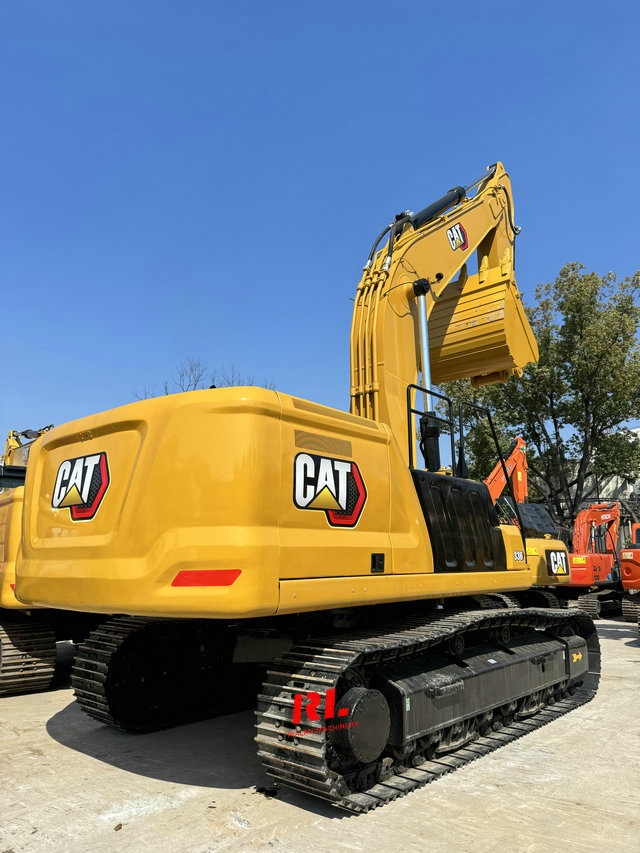
Every small contractor needs reliable digging power. A Used Excavator often becomes the most utilized machine on site. You must carefully match the machine size to your daily operations.
You must evaluate weight restrictions and CDL (Commercial Driver's License) requirements. Standard excavators require heavy-duty haulers. Mini-excavators dominate small contractor fleets for a good reason. They offer incredible transportability. You can tow many mini models using standard heavy-duty pickup trucks.
Furthermore, they excel in tight-job-site access. Residential backyards and urban lots demand compact footprints. Their rubber tracks also prevent damage to existing paved driveways.
You must perform a rigorous physical inspection. Do not rely solely on the hour meter. Focus on these critical evaluation points:
Slew Ring and Bearing Play: Check for excessive movement in the turntable. You can test this by planting the bucket and pushing down slightly. Excessive clicking or lateral movement indicates heavy stress. This repair requires splitting the machine and takes considerable time.
Hydraulic Health: Inspect all cylinders for deep scoring. Look closely for weeping seals. You must test cycle times under a load to ensure pump vitality. A sluggish boom lift points to internal pump wear.
Attachment Readiness: Verify the auxiliary hydraulic flow (Gallons Per Minute). You must ensure compatibility with your existing breakers, thumbs, or earth augers. Weak auxiliary flow renders hydraulic attachments useless.
Moving material quickly dictates your daily profitability. A dependable Used Loader accelerates site prep and debris removal. You have two primary options for small fleets.
You must match the machine footprint to your primary job site. Wheel loaders excel on paved surfaces. They travel quickly across large, solid yards. However, they struggle in deep mud.
CTLs provide superior flotation. They conquer mud, soft dirt, and unimproved terrain. Their tracks distribute weight evenly. This prevents the machine from sinking during wet season operations.
Heavy lifting places immense strain on structural components. Focus your inspection on pivot points and traction.
Articulation Joints: Wheel loaders bend in the middle. Check the center pivot points for severe wear. Slack in this joint causes steering wandering and poor responsiveness.
Loader Arms and Pins: Inspect the arms for structural stress cracks. Look carefully for fresh re-welds. Check for pin and bushing slop. Loose bushings severely affect your lift precision and safety.
Tire and Track Condition: Calculate the remaining life of tracks or tires. Rubber tracks represent a major replacement expense. You must factor immediate replacement needs into your final negotiation strategy.
Site grading requires serious pushing power. You must decide which heavy earthmover fits your long-term business plan.
A Used Grader remains highly specialized. It excels at maintaining long roads and final precision leveling. Small contractors must evaluate their actual need for one. Often, a Used Bulldozer equipped with advanced 3D grading attachments proves better. It can consolidate fleet requirements and handle rough pushing alongside fine grading.
Table 1: Earthmoving Machine Comparison | |||
Machine Type | Primary Application | Versatility for Small Fleets | Operating Footprint |
|---|---|---|---|
Bulldozer (Tracked) | Heavy pushing, stump clearing, rough grading | High (can handle multiple site prep stages) | Requires wide clearance, damages pavement |
Motor Grader | Precision leveling, road maintenance, ditching | Low (highly specialized single-purpose tool) | Requires long turning radius, highly mobile on roads |
Undercarriage health determines a dozer's value. You must measure it accurately.
Undercarriage Measurement: Use a proper caliper. Measure the link height, bushing wear, and sprocket thickness. Avoid machines nearing the "turn pins and bushings" threshold. Only accept these units if the seller offers a deep discount.
Blade and Trunnion Wear: Check the push arms and trunnion caps. Inspect the blade face for excessive wear. Look out for poor aftermarket patching. Flimsy weld repairs will fail under heavy load.
Motor graders rely on complex mechanical geometries. Inspect the circle drive thoroughly. Check the moldboard condition for extreme thinning. Finally, open the inspection covers. Verify the tandem drive chains maintain proper tension and show no oil leaks.
Final site finishing and heavy lifting require specialized gear. You cannot compromise on safety or compliance here.
Proper compaction prevents future foundation settling. A reliable Used Road Roller guarantees your subgrade meets engineering specs.
Vibratory Systems: The eccentric weights and bearings inside the drum take massive abuse. They are high-wear components. You must test the frequency and amplitude functionality during actual operation. Listen for grinding noises.
Drum Surface: Check the steel drum for flat spots or edge wear. Uneven drums leave ridges in the soil. For asphalt rollers, verify the water spray system functions evenly. Clogged nozzles ruin hot asphalt mats.
Lifting massive loads brings immense liability. Purchasing a Used Crane requires absolute diligence.
Compliance and Liability: Cranes carry the highest liability risk on any site. Only shortlist sellers who provide comprehensive OSHA and ANSI inspection records. Demand recent wire rope certifications and verifiable load-test documentation.
Boom and Outrigger Integrity: Inspect all telescopic sections for deep scoring. Check for outrigger hydraulic drift. A sinking outrigger causes fatal tip-overs. Always verify the anti-two-block (A2B) safety systems function perfectly.
You found a machine that looks good. Now you must vet the seller and the paperwork. This framework protects your capital.
Your sourcing channel dictates your risk level. Choose carefully based on your mechanical expertise.
Chart: Sourcing Channel Risk Matrix | |||
Sourcing Channel | Price Advantage | Risk Level | Best For... |
|---|---|---|---|
Public Auctions | Maximum Savings | Extremely High (As-is, where-is) | Expert mechanics who can spot hidden flaws instantly. |
Private Sellers | Moderate Savings | High (Requires vetting) | Contractors willing to perform thorough fluid and physical tests. |
Certified Pre-Owned (Dealer) | Lowest Savings | Low (Includes warranties) | Ensuring business continuity and minimizing unexpected downtime. |
Demand comprehensive preventative maintenance (PM) logs. The maintenance history tells the true story of the machine. Gaps in the 500-hour and 1,000-hour service intervals are major red flags. Neglected filter changes severely shorten engine life.
Never skip the final expert review. Factoring a professional independent mechanic inspection into your acquisition process is vital. It acts as the final gatekeeper. This step prevents you from acquiring a dangerous mechanical liability. An objective mechanic will find issues you missed during your initial walk-around.
Building a reliable small fleet via the secondary market demands diligence. You must shift your focus from the attractive sticker price to the actual mechanical baseline. Assessing application types, measuring undercarriage wear, and reviewing service logs safeguard your investment.
Take action today to secure your fleet operations. Define your exact job-site parameters first. Determine your specific attachment compatibility requirements. Secure pre-approved equipment financing to move quickly when the right machine appears. Finally, begin shortlisting machines that offer verified fluid analyses and comprehensive undercarriage reports.
A: It varies significantly by machine type. Skid steers are generally considered high at 4,000 to 5,000 hours. Conversely, heavy dozers and standard excavators can efficiently run past 10,000 hours. This is only true if their undercarriage and powertrain receive meticulous ongoing maintenance.
A: Yes, financing is widely available. Lenders typically cap financing approvals at machines under 7 to 10 years old. Interest rates run slightly higher than for new machinery. Banks frequently require a professional appraisal or an official oil sample report before releasing funds.
A: Follow a simple utilization rule. If you project using the machine more than 60-65% of the time (roughly 8 months a year), purchasing used yields a superior return on investment. If your utilization remains sporadic, renting preserves your capital and completely eliminates maintenance risks.


