

close
Choose Your Site
Global
Social Media
Views: 0 Author: Site Editor Publish Time: 2026-06-24 Origin: Site


Purchasing heavy machinery demands a careful balance. You must weigh upfront equipment needs against long-term operational reliability. A well-chosen Used Excavator significantly lowers your initial outlay. However, misaligning the machine’s specifications with your operational environment poses massive risks. Failing to identify hidden wear often leads to unplanned downtime. Such equipment failures disrupt schedules and frustrate operators.
This comprehensive guide provides a rigorous framework for your next acquisition. We will help you evaluate and shortlist the right machinery based on specific job-site demands. Our breakdown covers mining, roadwork, demolition, and urban construction. You will also learn critical inspection protocols. These practical steps mitigate acquisition risks. They ensure your chosen machinery performs reliably day after day. You can confidently navigate the secondary market using these proven strategies.
Application Dictates Spec: The "best" machine is context-dependent. Mining requires high breakout force and heavy-duty undercarriages, while urban construction prioritizes zero tail swing and hydraulic versatility.
Undercarriage & Hydraulics Drive Value: 50% of a used track excavator’s replacement cost sits in the undercarriage and hydraulic pumps. Rigorous fluid and mechanical testing is non-negotiable.
Supplier Transparency is the Ultimate Filter: A credible used excavator supplier will provide comprehensive maintenance logs, fluid sample histories, and verifiable hour-meter data.
Selecting machinery requires strict attention to the working environment. A powerful machine fails quickly if deployed in the wrong application. You must match the equipment class to your daily operational reality.
Mining demands extreme durability. You need sustained breakout force for consistent material extraction. High-capacity buckets maximize daily production rates. Operator fatigue mitigation also plays a huge role. Ergonomic cabs keep operators focused during long shifts. Specialized seat suspensions reduce back strain. Heavy-duty joysticks provide smoother feedback. A comfortable operator moves more material hourly.
When evaluating machinery, focus on the 50-plus ton class. These massive units handle relentless punishment. Prioritize heavily reinforced booms. Sturdy sticks resist bending under heavy loads. A standard Used Excavator might fail here. You need dedicated mass-excavation configurations designed for sheer power.
However, implementation risks abound. Undercarriage stress remains the primary threat. Rock quarries create highly abrasive environments. Machines from these sites suffer accelerated track wear. Sprockets degrade much faster compared to units working soft dirt. Always investigate the machine's previous working environment. Heavy rock usage requires closer mechanical scrutiny.
Demolition sites introduce chaotic variables. Operator safety remains the absolute priority. Falling concrete poses lethal threats. Thick polycarbonate glass often replaces standard cab windows. You also need high-reach capabilities to dismantle tall structures safely. High hydraulic flow represents another critical success factor. Heavy attachments like crushers demand massive fluid delivery.
Look for specific protective equipment during your evaluation. Factory-installed Falling Object Protective Structures (FOPS) are mandatory. Heavily guarded hydraulic cylinders prevent debris damage. Exposed hoses fail quickly in demolition zones. Armored components keep the machine running smoothly.
These environments hide specific implementation risks. Hydraulic hammers create intense, continuous vibrations. These vibrations cause micro-fractures in the boom structure. Surface inspections often miss these tiny cracks. You should request magnetic particle inspection records. Thorough testing reveals hidden structural failures before they snap under load.
Roadwork projects require constant movement. You need frequent relocation capability across active sites. Grading precision dictates overall project quality. Furthermore, strict lane-closure compliance limits your operating footprint. Traffic control adds severe limitations. Swing radiuses must stay tight. Standard machines often swing their counterweights into open lanes. This creates massive safety hazards for passing motorists.
Evaluate wheeled models against traditional crawler designs. Wheeled units travel quickly between sections. They prevent asphalt damage during transit. Articulated booms offer another major advantage. They allow operators to dig extremely close to the chassis. This configuration keeps the entire machine within a single closed lane.
Be aware of unique implementation risks here. Wheeled models often suffer transmission wear. Excessive roading degrades drive components rapidly. Crawlers face a different problem. Working primarily on crowned pavement causes uneven track wear. One side of the undercarriage often degrades faster. You must measure both track sides independently during your inspection.
City environments restrict movement severely. Maneuverability defines success in these tight spaces. You must minimize surface damage to existing infrastructure. Low noise emissions keep local residents happy and comply with municipal codes. Modern compact machines feature advanced sound suppression. Enclosed engine bays trap acoustic waves effectively.
Focus your evaluation on the mini or compact class. Machines weighing between one and ten tons excel here. Zero Tail Swing (ZTS) designs prove incredibly valuable. They prevent accidental collisions during rotation. Rubber tracks or street pads protect sidewalks and roads perfectly.
These compact designs introduce specific implementation risks. Compromised cooling systems represent a major danger. ZTS models feature tightly packed engine bays. Radiators clog easily in dusty urban zones. Poor maintenance by previous owners leads to severe overheating. Inspect the cooling fins for embedded debris. Check the coolant history for signs of thermal stress.
Application Specification and Risk Analysis Chart | |||
Job-Site Application | Ideal Machine Class | Primary Success Criteria | Hidden Implementation Risk |
|---|---|---|---|
Mining & Extraction | 50+ Ton Crawler | Sustained breakout force | Abrasive undercarriage wear |
Demolition | High-Reach Tracked | FOPS & Auxiliary flow | Boom micro-fractures |
Highway Roadwork | Wheeled / Articulated | Mobility & Precision | Uneven track/transmission wear |
Urban Utilities | 1-10 Ton ZTS | Maneuverability & Low Noise | Engine overheating |
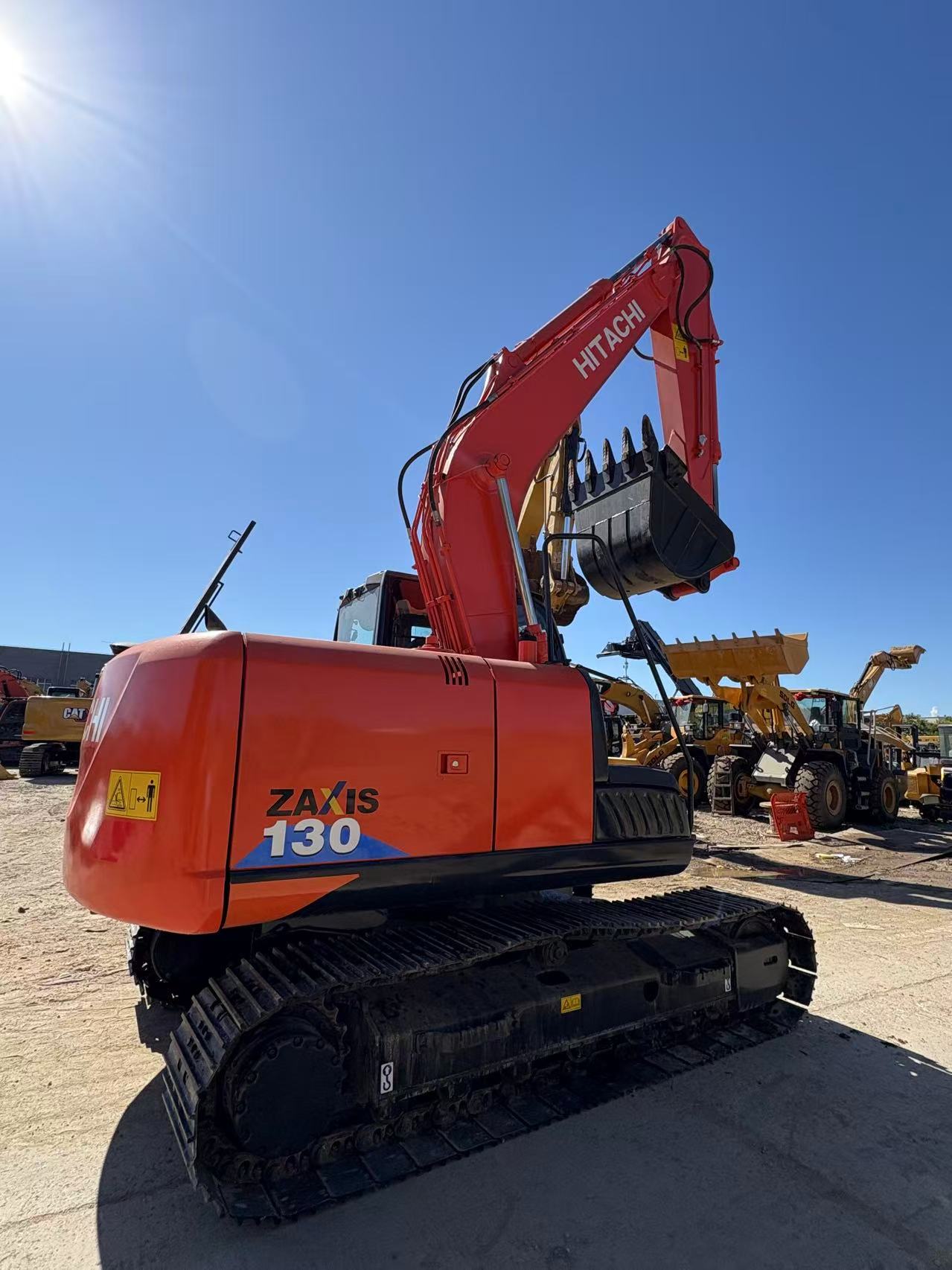
Never accept a machine based on fresh paint alone. You must adopt a highly skeptical mindset during the inspection process. Mechanical reality often differs greatly from the sales brochure. Focus on physical testing and empirical data verification.
Conduct a thorough physical examination before starting the engine. Look for the following mechanical warnings:
Slew Ring and Turntable: Measure the play precisely. Excessive movement indicates impending failure. Replacing a slew ring requires separating the entire cab from the undercarriage. This repair takes significant time and resources. Mechanics must disconnect all central hydraulic swivels. You lose weeks of operational time during this repair process. Always mount a magnetic dial indicator to the track frame to measure vertical play.
Hydraulic System Integrity: Check all cylinders for scoring. Deep scratches ruin seals quickly. Look for weeping seals around rod ends. Listen closely for pump whine under heavy loads. Whining often indicates cavitation inside the main hydraulic pump. Cavitation occurs when air bubbles collapse violently inside the fluid. These micro-explosions tear metal away from the pump internals. This damage spreads metal shavings throughout the entire hydraulic loop.
Engine and Exhaust Health: Assess blow-by from the crankcase breather. Excessive pressure means worn piston rings. Analyze the exhaust smoke color during a cold start. Blue smoke reveals burning oil. White smoke often points to coolant leaks or unburned fuel. Black smoke indicates a restricted air intake or faulty fuel injectors.
Hour meters lie. You must cross-reference the displayed hours against physical wear patterns. Check the floor pedals. Deeply worn steel pedals contradict a low-hour reading. Examine the operator seat condition. Test the joysticks for excessive slop. A machine claiming low hours but showing heavy cab wear demands immediate investigation.
Fluid analysis provides undeniable truth. Demand recent Scheduled Oil Sampling (SOS) reports. These reports identify internal engine wear objectively. They reveal hydraulic component degradation before catastrophic failure occurs. High copper or iron levels in the fluid signal dying bearings. Do not finalize any equipment purchase without clean fluid analysis data.
Evaluating the machine itself represents only half the battle. You must understand the broader ecosystem surrounding your chosen brand. Poor aftermarket support quickly turns a reliable machine into a massive liability.
Even the toughest equipment needs periodic maintenance. A great machine becomes useless if replacement parts remain unavailable. OEM or aftermarket parts might have six-week lead times in your specific region. You must evaluate brand presence within your operating territory. Strong local dealer networks ensure rapid parts delivery. This availability keeps your projects on schedule and prevents frustrating operational delays.
Verify all auxiliary hydraulic circuits before purchasing. Some applications require complex attachments like tiltrotators or hydraulic breakers. Retrofitting a standard machine for these tools proves extremely difficult. It requires specialized valves and extensive computer reprogramming. Factory-installed dual-flow auxiliary plumbing saves massive headaches. Ensure the quick coupler matches your existing bucket inventory. Incompatible couplers force you to buy entirely new attachment sets unnecessarily.
Different machine brands hold their residual value differently. You must assess market demand for specific manufacturers. Premium tier machines command higher initial secondary market interest. However, they generally retain their value better over time. Eventually, you will upgrade your fleet again. A highly desirable brand ensures a smoother resale process later. Lesser-known brands often suffer steep depreciation. They become difficult to offload when their operational lifecycle ends. Sticking to major OEM brands guarantees deeper aftermarket support and wider resale appeal.
Finding the right machinery requires finding the right partner first. Move past the initial sales pitch completely. Evaluate your chosen supplier based on their inspection rigor. Data transparency remains your ultimate filter. A trustworthy Used Excavator supplier answers questions directly and provides verifiable proof.
Reputable partners maintain exceptionally high documentation standards. They should provide clear, comprehensive service histories immediately. Demand high-resolution walk-around videos. These videos must show the machine cold-starting. Unedited footage reveals true engine performance and hidden hydraulic leaks. You should also request independent inspection reports. Third-party mechanics offer unbiased assessments of the equipment's actual condition.
Assess the availability of limited mechanical warranties. Some suppliers offer short-term protection on the powertrain and main hydraulic pumps. This safety net provides excellent peace of mind. Next, evaluate their logistical capabilities thoroughly. Moving heavy machinery requires specialized hauling equipment. If you are buying cross-border, customs clearance becomes highly complex. A strong supplier handles these heavy haul logistics smoothly. They ensure reliable final delivery directly to your job site.
Frame your shortlisting process carefully. Take the following actions to secure the right machine:
Request a detailed equipment inventory list matching your required tonnage exactly.
Demand comprehensive oil sample histories for any shortlisted machine.
Require an unedited operational video showing the machine digging under a heavy load.
Verify all import documents if shipping across international borders.
The success of buying secondary market equipment lies in strict alignment. You must rigorously match the machine’s past life to your future application. Mechanical vetting protects your operational efficiency perfectly. Thorough inspections uncover hidden flaws before they cause problems. Proper fluid analysis prevents catastrophic site failures.
Define your exact job-site parameters before making any moves. Calculate your required tonnage carefully. List your mandatory attachments. Note your spatial dimensions and reach requirements precisely. Once you finalize these specifications, contact a vetted supplier immediately. Discuss your exact needs for a matched inventory consultation. Taking these calculated steps ensures your machinery performs flawlessly on every project.
A: It heavily depends on previous maintenance and application environments. Five thousand hours on a well-maintained machine working soft soil is excellent. However, 5,000 hours in a hard rock quarry indicates severe component fatigue. You must look at the comprehensive maintenance log, not just the dashboard dial.
A: Wheeled excavators offer superior mobility between closely spaced sites. They move quickly without damaging asphalt or requiring lowboy trailers. Tracked models, conversely, offer vastly better stability. You should choose tracked models when performing heavy lifting over the side of the machine.
A: You must measure the precise percentage of wear on specific parts. Check the sprockets, idlers, rollers, and track links using an OEM wear chart. Undercarriage replacements represent a massive maintenance burden. Exact physical measurements are completely required prior to finalizing your purchase.


