

close
Choose Your Site
Global
Social Media
Views: 0 Author: Site Editor Publish Time: 2026-04-10 Origin: Site


Excavators are indispensable machinery in construction, mining, and landscaping projects, playing a vital role in tasks like digging, trenching, and lifting heavy materials. While brand-new excavators are a viable option for many businesses, used excavators present a cost-effective alternative without compromising on performance or quality. These pre-owned machines provide excellent value for money, making them an ideal choice for companies looking to minimize capital expenditure while still ensuring operational efficiency.
When considering the purchase of a used excavator, it's important to understand the different types available, the factors that influence their pricing, and how to properly assess their condition. With the right knowledge, you can make an informed decision that meets your specific project needs.
In this guide, we’ll explore the various types of used excavators, the key factors that affect their pricing, and their diverse applications in different industries. Whether you're a construction professional or a business owner, understanding these elements will help you select the perfect machine for your next project while optimizing your budget.
A used excavator is a second-hand piece of equipment that is sold after it has been previously owned. These machines are commonly found at construction sites and are used for various tasks such as digging, trenching, and lifting heavy loads. Since they are pre-owned, the prices for used excavators tend to be significantly lower than new models, which makes them a popular choice for businesses on a budget.
Cost-effective: Used excavators are often much cheaper than new models.
Quick Availability: Purchasing a new excavator might involve long lead times, while used excavators are typically available for immediate use.
Reduced Depreciation: Used machines have already depreciated, so their resale value is relatively stable.
Before purchasing a used excavator, it is essential to ensure that it has been well-maintained and is in good working condition. A proper inspection can prevent future breakdowns and additional costs.
When considering the purchase of a used excavator, you’ll encounter several different types, each with specific applications and features. Below are the primary types of used excavators available in the market.
Mini excavators, also known as compact excavators, are small-sized excavators with an operating weight usually under 6 tons. These machines are ideal for small-scale projects where space is limited. They are commonly used for landscaping, urban construction, and digging in tight spaces.
Landscaping: Ideal for digging small trenches, planting, and general landscaping work.
Urban Construction: Mini excavators can navigate narrow streets and tight job sites with ease.
Utility Work: Perfect for small-scale utility installation and maintenance tasks.
Standard excavators are the most common type used in heavy-duty construction projects. These machines typically weigh between 10 and 20 tons and offer powerful engines and robust hydraulic systems.
Excavation and Grading: Standard excavators are widely used for large-scale earth-moving tasks such as excavation, grading, and trenching.
Demolition: These excavators can be fitted with specialized attachments to assist with demolition tasks.
Material Handling: Standard excavators are often used for lifting and transporting heavy materials on construction sites.
Large excavators are machines designed for heavy-duty work, with an operating weight usually above 20 tons. These excavators are used in large-scale construction, mining, and forestry projects where high power and performance are necessary.
Mining: Used for digging and transporting materials in mining operations.
Quarrying: Ideal for extracting and moving large quantities of rocks and minerals.
Heavy Construction: Large excavators are used for massive construction projects such as dam building, roadwork, and infrastructure development.
Excavators can also be categorized based on their undercarriage type: crawler or wheeled.
Crawler Excavators: These excavators are equipped with continuous tracks, making them ideal for uneven or rough terrain. They provide excellent stability and are better suited for construction sites with soft ground.
Wheeled Excavators: These excavators are equipped with wheels instead of tracks, providing faster mobility and are ideal for urban environments or projects where quick transportation between locations is necessary.
Feature | Crawler Excavator | Wheeled Excavator |
Terrain Type | Best for rough, uneven terrain | Best for paved or smooth surfaces |
Mobility | Slower, but more stable | Faster movement between sites |
Stability | High stability on soft ground | Less stable on soft or uneven ground |
Fuel Efficiency | Generally more fuel-efficient | Typically consumes more fuel due to faster speeds |
Maintenance | Higher maintenance due to wear on tracks | Lower maintenance, easier to transport |
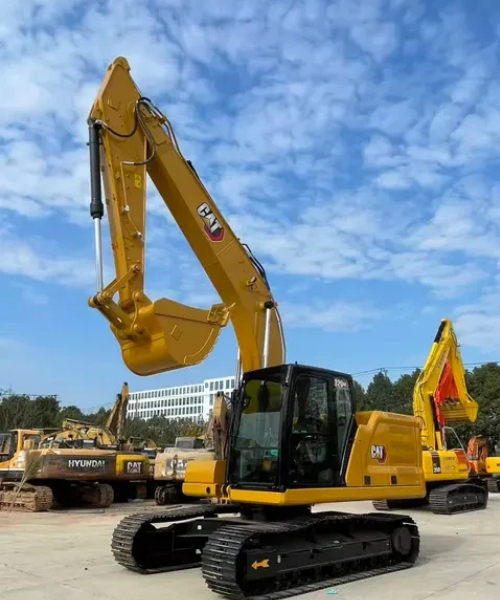
When purchasing a used excavator, it’s essential to inspect key components to ensure the machine is in good working condition. Here are the crucial aspects to check before making a purchase:
The engine is the heart of any excavator. Check the number of hours the engine has run, its maintenance history, and any visible signs of wear or damage. A machine with fewer operating hours is likely to have a longer remaining lifespan.
The hydraulic system plays a crucial role in the performance of an excavator. Inspect the hydraulic cylinders for leaks, cracks, or any signs of wear. Hydraulic fluid should be clean, and the pressure should be within the specified range.
The condition of the track and undercarriage is vital for the performance of crawler excavators. Look for excessive wear on the tracks, sprockets, and rollers. A well-maintained undercarriage can prolong the life of the excavator.
Check the bucket for signs of excessive wear or damage. The edges should be sharp and free from cracks or bends, as a worn bucket will reduce the machine’s efficiency.
Some used excavators come with additional technology, such as GPS systems or telematics, which can improve efficiency and reduce downtime. Additionally, consider any attachments available with the excavator, such as augers, grapples, or hydraulic hammers.
The price of a used excavator depends on several factors, including the age of the machine, its brand, model, and overall condition. Below, we break down the pricing structure to help you understand what to expect when purchasing a used excavator.
Age of the Excavator: Newer excavators generally cost more due to their lower hours of operation and newer technology.
Brand and Model: Popular brands like Caterpillar (CAT), Komatsu, and Hyundai tend to have higher resale values.
Condition: The overall condition of the machine, including the engine, hydraulics, and tracks, will heavily influence the price.
Market Demand: Prices can vary based on market demand for certain models or sizes of excavators.
Excavator Type | Price Range (USD) |
Mini Excavators (under 6 tons) | $15,000 - $50,000 |
Standard Excavators (10-20 tons) | $30,000 - $120,000 |
Large Excavators (above 20 tons) | $100,000 - $300,000+ |
Dealers: Buying from a reputable dealer often comes with warranties and quality assurances.
Auctions: Auctions can offer lower prices, but buyers should be cautious about the machine’s history and condition.
Private Sellers: Direct transactions with private sellers may result in lower prices, but there is often less protection for the buyer.
Used excavators have a wide range of applications across different industries. Below are some of the key industries where these machines are used:
Used excavators are primarily employed in large-scale construction projects for tasks such as digging, grading, and trenching. They are essential for site preparation and foundation work.
Mini and compact excavators are widely used in landscaping projects. They help in tasks such as digging small trenches, creating slopes, and planting trees.
Large excavators are often used in mining and heavy-duty earth-moving projects, where high performance and powerful engines are required to dig through tough material.
Wheeled excavators are preferred for urban construction projects because they can easily move between job sites and navigate narrow streets.
Choosing a used excavator can be a cost-effective solution while still providing you with a reliable and high-performance machine for your construction or landscaping projects. By understanding the different types, prices, and applications of used excavators, you can make an informed choice that aligns with your project requirements. At Shanghai Ruilan Engineering Machinery Co., Ltd., we specialize in offering a wide range of well-maintained, high-quality used excavators to meet diverse customer needs.
Our team is dedicated to ensuring that every machine we sell undergoes thorough inspections to guarantee performance and reliability. Whether you are looking for mini, standard, or large excavators, we can help you find the perfect fit for your worksite. With years of experience in the industry, we pride ourselves on delivering excellent customer service and offering machines at competitive prices.
If you’re considering a used excavator for your next project, don’t hesitate to contact us for expert advice or to explore our available inventory. We’re here to help you make the right investment for your business.
1. What is the average lifespan of a used excavator?
The lifespan of a used excavator depends on its usage and maintenance but generally ranges between 10,000 and 15,000 operating hours.
2. How do I know if a used excavator is in good condition?
Always check the engine, hydraulics, tracks, and bucket. A detailed inspection report from a professional is recommended.
3. Are used excavators safe to buy?
Yes, provided they have been well-maintained and come with a service history. It's essential to ensure the machine passes a full inspection.
4. What is the difference between a mini excavator and a standard excavator?
Mini excavators are smaller, lighter, and more suited for small-scale projects, whereas standard excavators are used for larger, more demanding tasks.
5. How do used excavator prices compare to new models?
Used excavators are typically 30-60% cheaper than new ones, making them an attractive option for businesses looking to save on equipment costs.


