

close
Choose Your Site
Global
Social Media
Views: 0 Author: Site Editor Publish Time: 2026-04-08 Origin: Site


Buying a used excavator can be a cost-effective choice for construction companies, contractors, and other industries needing heavy machinery. However, it comes with its risks, and making a poorly informed decision can lead to costly repairs, operational disruptions, and potential safety issues. This comprehensive guide highlights the most common risks when purchasing a used excavator and offers practical tips to minimize these risks, ensuring you make a sound investment. We will explore critical factors such as the machine’s condition, maintenance records, legal compliance, and more.
Whether you are purchasing your first used excavator or looking to upgrade your fleet, understanding these risks and how to avoid them will save you time, money, and potential headaches down the road.
When buying a used excavator, there are several inherent risks that buyers must be aware of. These risks primarily stem from the equipment’s condition, age, history, and previous usage. Unlike new machines, used excavators have a history that may not always be transparent. Potential risks include:
Hidden damages or wear and tear: External damage might not always be visible, but it could affect the machine's performance.
Inadequate maintenance: A lack of proper maintenance can lead to mechanical failures that might not be immediately apparent.
Unknown usage history: The machine may have been overused or misused, leading to a shortened lifespan.
Legal and regulatory non-compliance: Some used excavators may not meet the required safety or environmental standards, especially if they are older models.
Understanding these risks and taking the necessary precautions is critical to ensuring that the excavator you are buying meets your needs without costing you more in repairs than it’s worth.
Before purchasing a used excavator, conducting a thorough inspection is one of the most effective ways to avoid costly mistakes. Below are the key areas to focus on during your inspection.
Undercarriage: The undercarriage is often the most worn part of an excavator, especially if it has been used on rocky or uneven terrain. Look for signs of excessive wear on the tracks, rollers, and sprockets.
Bodywork and Structural Integrity: Examine the body for any visible cracks, dents, or rust, as these could indicate structural weaknesses. Pay close attention to the boom, arm, and chassis for signs of damage or poor welding.
Engine Condition: Check for leaks, excessive oil consumption, or unusual noises. It’s important to verify that the engine is running smoothly and that no major issues are present.
Hydraulic Systems: Hydraulic failure is a common issue in used excavators. Inspect hoses, cylinders, and pumps for leaks or corrosion. Test the hydraulic pressure to ensure it is working within normal parameters.
Here’s a table that outlines what to inspect for each component:
Component | What to Inspect | Signs of Issues |
Undercarriage | Tracks, sprockets, rollers, idlers | Uneven wear, cracks, excessive rust, loose tracks |
Engine | Oil levels, exhaust, coolant levels, leaks, noise | Excessive smoke, high oil consumption, noise during operation |
Hydraulic System | Hoses, pumps, cylinders, fluid levels | Leaks, worn hoses, uneven pressure, slow response |
Body/Frame | Structural integrity, rust, cracks, dents | Visible cracks, misalignments, dents, rust marks |
A used excavator’s maintenance records can provide valuable insights into the machine’s history and condition. Be sure to obtain these records from the seller before making a purchase. A comprehensive record will detail:
Regular servicing: This shows the machine has been properly maintained and serviced on time.
Repairs and part replacements: Detailed records of any major repairs or component replacements indicate how well the excavator has been cared for.
Inspection reports: These give you an idea of any recurring issues the machine has faced.
Make sure to ask for service records that cover the last several years. If the seller is unwilling to provide them, it could be a red flag.
Used excavators, particularly older models, may not meet the current safety and environmental standards. Compliance is crucial not only for the safe operation of the equipment but also for meeting legal requirements. When purchasing, check the following:
Environmental compliance: Ensure the excavator meets the required emission standards in your region, especially if you plan to operate it in a highly regulated area.
Safety certifications: Look for certifications like ISO, CE, or local equivalents that ensure the equipment meets certain safety standards.
Inspection documentation: Some regions require excavators to undergo periodic inspections. Make sure the machine has passed all necessary inspections before purchasing.
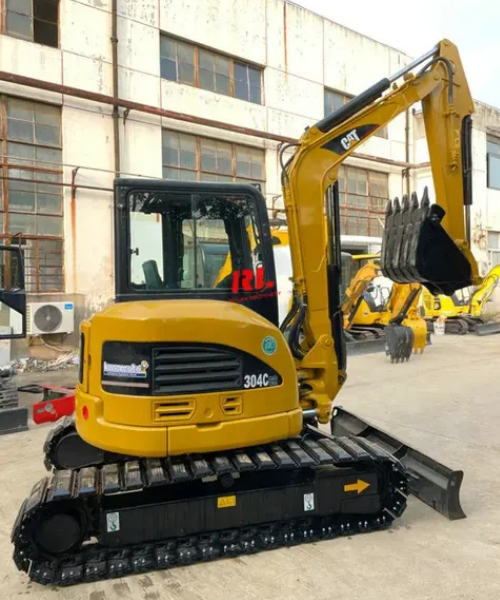
Understanding the machine's past usage is crucial to estimating how much life it has left. Ask the seller about:
Work history: Whether the excavator was used for heavy-duty or light-duty work can give you an idea of how hard it was worked.
Hours worked: Most excavators have a built-in hour meter that records how many hours the machine has been in operation. Compare the hours with the expected lifespan of the equipment to get a better sense of its remaining value.
Used excavators typically have a lifespan of around 10,000-12,000 hours, depending on maintenance and usage.
Buying from a reputable seller is crucial for ensuring a good deal. Here's how to evaluate the seller:
Customer reviews and testimonials: Check reviews from past buyers to assess the seller’s reliability. Look for consistency in quality and service.
Warranty and return policy: A reputable seller will offer a warranty for the machine, ensuring that you have some recourse if issues arise after purchase. Review the terms of the warranty and return policy carefully.
Business history: Verify how long the seller has been in business. Long-established businesses with a good reputation are generally more trustworthy.
When purchasing a used excavator, you should factor in potential future repairs and maintenance costs. Even well-maintained excavators can require significant repairs as they age. Common maintenance costs include:
Hydraulic repairs: This is one of the most expensive repairs for an excavator.
Engine repairs: Over time, the engine may require rebuilding or significant part replacements.
Undercarriage replacement: Depending on usage, the undercarriage might need to be replaced or repaired after a few thousand hours of operation.
Include these costs in your budgeting to ensure that you don’t end up spending more on repairs than the machine is worth.
A clear warranty and return policy offer peace of mind when purchasing a used excavator. Here’s what to look for:
Warranty coverage: Some used excavators come with a limited warranty, typically covering major components like the engine and hydraulic systems for a specified period or number of hours.
Return policy: A return policy gives you the ability to return the equipment if significant issues arise within a specified time frame after purchase.
Make sure the warranty is well-documented, and ask for clarification on any terms that seem vague.
While performing your own inspection is essential, hiring a professional to thoroughly evaluate the machine is highly recommended. A professional inspector can identify problems that may not be obvious to the untrained eye, such as:
Internal engine wear: This could indicate potential issues that could lead to failure.
Hydraulic performance: A professional can check the hydraulics under load to ensure proper functioning.
Structural integrity: A professional can assess any hidden cracks or weaknesses in the frame.
Lastly, always test the excavator before completing the purchase. Testing the machine will give you firsthand insight into its performance. Key things to check during the test include:
Hydraulic function: Test the bucket and arm movements to ensure smooth operation and proper hydraulic pressure.
Turning radius: Make sure the machine turns smoothly without unusual resistance.
Engine performance: Ensure the engine runs smoothly under load, and there are no strange noises or excessive emissions.
Purchasing a used excavator can be a cost-effective solution, but only if you take the right steps to ensure the machine is in optimal condition. By thoroughly inspecting the equipment, reviewing its maintenance history, and ensuring it meets all necessary certifications, you can significantly reduce the risks involved in buying used machinery.
At Shanghai Ruilan Engineering Machinery Co., Ltd., we pride ourselves on offering high-quality used excavators that meet the strictest standards. Our team ensures every machine undergoes rigorous checks and is backed by a detailed maintenance record, so you can trust the reliability and performance of your investment.
By following the steps outlined in this guide and partnering with us, you’ll not only secure a smarter, safer investment but also minimize potential repairs and downtime. We are here to help you find the perfect used excavator for your needs, offering expert advice and top-tier customer service. Feel free to reach out to us for more information or to discuss your specific requirements.
1. What should I look for when inspecting a used excavator?
Answer: Focus on the undercarriage, engine condition, hydraulic system, and any visible damage. Don’t forget to check the maintenance records and ensure the machine has been properly serviced.
2. How can I verify the condition of a used excavator?
Answer: Perform a visual inspection, ask for maintenance records, and consider hiring a professional to assess the machine’s internal components.
3. Is a warranty available for used excavators?
Answer: Many reputable dealers offer warranties on used excavators, typically covering major components such as the engine and hydraulics.
4. How can I avoid buying a used excavator with hidden issues?
Answer: Ensure thorough inspections are carried out, ask for service records, and purchase from a trusted seller with a good reputation.
5. What are the common costs associated with owning a used excavator?
Answer: Regular maintenance and repairs, including hydraulic system repairs, undercarriage replacements, and potential engine work, should be factored into your budget.


