

close
Choose Your Site
Global
Social Media
Views: 0 Author: Site Editor Publish Time: 2026-06-18 Origin: Site


Purchasing heavy machinery on the secondary market remains a high-stakes capital investment for any growing contracting firm. Choosing the wrong chassis configuration can severely bottleneck your daily site operations and inflate your logistical transportation expenses. Both tracked machines and wheeled units perform the exact same fundamental digging, grading, and lifting tasks on the job. However, their highly unique ground engagement mechanics completely dictate their overall profitability across different terrain applications. You must carefully match the physical undercarriage capabilities of the machine to your specific environmental realities. This comprehensive guide offers a direct, ROI-focused framework to evaluate your specific site requirements and uncover hidden mechanical liabilities. We will help you select the most optimal machinery to strengthen your operational fleet for years to come. You will learn exactly how terrain variables, daily logistics, and heavy attachment needs shape your final purchasing decision.
Tracked Excavators deliver superior traction, stability, and lower ground pressure, making them the industry standard for raw land development, muddy conditions, and heavy grading.
Wheeled Excavators offer unmatched mobility, eliminating the need for a lowboy trailer between close jobsites while preventing damage to finished asphalt, concrete, or turf.
Total Cost of Ownership (TCO) shifts significantly on the used market: tracked undercarriages are expensive to rebuild, whereas wheeled models introduce tire and outrigger maintenance variables.
Decision Matrix: Your choice must align with your primary jobsite terrain, transportation logistics budget, and the specific attachments you intend to run.
Mismatching a machine to its environment creates immediate business problems. Using the wrong undercarriage leads to severely compromised safety. For example, wheels will quickly sink and get stuck in deep mud. Conversely, hauling a tracked machine three blocks bloats your transportation costs unnecessarily. You must establish industry competence by understanding standard terminology. Crews often call tracked units "trackhoes" or "crawlers." They typically refer to wheeled models as "rubber ducks."
Evaluating any used machinery requires looking far beyond operating weight and horsepower. You must assess the specific lifecycle wear patterns of the undercarriage. You must also inspect the overall condition of the drivetrain. These hidden wear factors directly dictate your future maintenance expenses. A machine offering excellent engine performance will still drain your budget if the chassis needs an immediate overhaul. We strongly advise buyers to prioritize ground engagement components during their initial mechanical inspections.
Your daily jobsite terrain dictates equipment success. Plunging a heavy wheeled unit into a marshy residential development halts production. You will waste valuable man-hours extracting the stuck machinery. On the other hand, dragging heavy steel tracks across fresh asphalt destroys the surface completely. You will face expensive repair penalties from municipal authorities. Choosing the correct configuration prevents these costly operational errors. It keeps your daily project schedules completely on track.
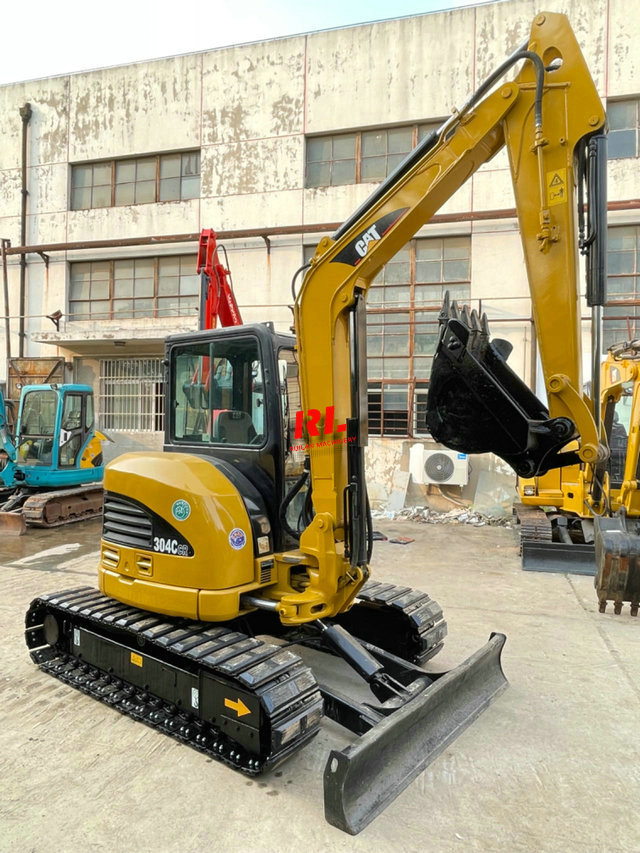
Tracked machines remain the traditional choice for demanding earthmoving projects. They rely on continuous steel or rubber tracks to support the heavy chassis. This design distributes the massive machine weight over a very large footprint. Tracked Excavators excel in aggressive, unpaved environments.
Stability & Digging Force: These units feature a distinctly lower center of gravity. This physical design allows operators to achieve maximum breakout force easily. You do not need to deploy external stabilizers to dig aggressively.
Low Ground Pressure: Wide tracks prevent the heavy chassis from sinking. They float efficiently over swamps, deep mud, and loose aggregate. Sinking remains a rare issue for experienced operators.
Gradeability: Tracks safely navigate steep slopes and highly uneven terrain. Wheeled units risk dangerous rollovers in these exact same environments. Pipeline crews heavily depend on this specific climbing capability.
You must acknowledge specific mechanical risks when shopping the secondary market. Undercarriage replacement represents one of the highest singular maintenance expenses you will face. Steel chains, drive sprockets, and bottom rollers degrade steadily over thousands of operating hours. You must factor these eventual replacement expenses into your initial purchasing budget.
Additionally, tracks create a severe logistical drag on your operations. You will require dedicated transport for every single machine relocation. You must dispatch a heavy-duty truck and lowboy trailer to move the excavator safely. This strict transportation rule applies even if your next jobsite sits only a mile away down the road.
Wheeled models provide a highly versatile alternative for specific project scopes. They mount the upper revolving structure on heavy-duty pneumatic or solid rubber tires. Manufacturers design these specific units directly for roadability and urban utility work. Wheeled Excavators thrive consistently in modern municipal environments.
Self-Transporting Capabilities: You can drive these units at speeds reaching 20 mph. They easily travel between local sites under their own power. This drastically reduces your daily reliance on expensive lowboy transport services.
Unmatched Surface Preservation: These machines represent an essential tool for the green industry. Landscaping and urban utility contractors rely on them daily. Rubber tires completely prevent the tearing of turf, asphalt, and finished concrete.
Superior Maneuverability: They feature articulating two-piece booms and tight turning radiuses. They excel in single-lane roadwork scenarios. You can operate them smoothly without shutting down multiple lanes of city traffic.
These machines introduce unique operational hurdles for new operators. Crews must constantly deploy outriggers or dozer blades before initiating heavy lifting. This mandatory step adds cycle time to your repetitive digging operations. You cannot simply pull up to a trench and immediately lift a massive concrete pipe safely.
Furthermore, tires inherently suffer from severe traction loss in adverse weather conditions. You will struggle significantly in wet, muddy, or highly uneven off-road conditions. Rubber tires simply lack the extreme grip provided by deep steel grousers. Soft dirt limits their pushing power substantially during backfilling tasks.
You need a systematic approach to select the correct machinery. We recommend using a strict decision tree logic to evaluate your specific operational needs.
Look closely at your primary project environments before buying. If over 70% of your work occurs on unpaved or soft ground, choose a tracked chassis. They provide the necessary flotation and physical grip for raw land development. Conversely, if over 70% of your work takes place on paved or urban surfaces, choose wheels. They protect the infrastructure and speed up your daily workflow.
You must compare your daily hauling capabilities accurately. Calculate the exact cost of hauling a tracked unit every single day. Factor in the truck driver's wages, diesel fuel, and trailer wear. Compare this directly against the independent roading capabilities of a wheeled machine. A self-driving machine often pays for itself rapidly in dense urban corridors.
Chassis stability directly impacts how well you can run heavy work tools. Tracked units inherently handle heavy hydraulic breakers or forestry mulchers effortlessly. They provide rock-solid stability even at maximum boom reach. Wheeled units often struggle safely operating these heavy, dynamic attachments. They require fully deployed stabilizers to manage the intense rotational forces.
We have summarized these core operational differences in the simple chart below.
Performance Feature | Tracked Models | Wheeled Models |
|---|---|---|
Ground Pressure | Extremely low; excellent flotation over mud. | High; prone to sinking in soft soil. |
Mobility & Logistics | Requires dedicated truck and lowboy transport. | Drives independently between jobs up to 20+ mph. |
Lifting Stability | Inherent 360-degree stability at all times. | Requires lowered outriggers for heavy loads. |
Surface Impact | High; severely damages asphalt and turf. | Low; preserves finished surfaces safely. |
You must conduct thorough mechanical audits before finalizing any purchase. Hidden wear elements will drastically alter your long-term maintenance budgets. Skipping this step leads to disastrous financial consequences.
Hidden mechanical expenses frequently lurk inside the heavy steel undercarriage. You must physically measure the track sag using a straight edge. Inspect the primary drive sprocket wear closely. Sharp, pointed sprocket teeth indicate severe component degradation. You should also check the front idler condition for excessive play.
Operators must look underneath for seized or leaking bottom rollers. A seized roller creates immense friction and destroys the track links prematurely. You should always evaluate the remaining life percentage of the undercarriage chain. Replacing a fully worn chain requires specialized pressing equipment.
Wheeled units require a completely different mechanical inspection protocol. You must assess the dual-tire condition carefully. Look for deep sidewall damage, missing chunks of rubber, and overall rim integrity. Damaged steel rims lead to dangerous tire blowouts under heavy lifting loads.
You must closely inspect the outrigger and dozer blade hydraulic cylinders. Look for chrome pitting or noticeable fluid drift. This step remains crucial for maintaining wheeled stability during deep trenching operations. Finally, test the drivetrain, transmission, and steering components thoroughly. Trackhoes completely lack these complex automotive-style moving parts.
We must remain transparent about typical component lifespans in the dirt. Steel undercarriages generally require major overhauls between 4,000 and 6,000 hours. The exact timing depends heavily on the abrasiveness of your local soil. Conversely, heavy-duty pneumatic tires may require complete replacement every 2,000 hours. However, a new set of tires costs significantly less upfront than a complete steel track replacement.
You should follow a strict auditing process to narrow down your choices. A disciplined approach prevents emotional or rushed purchasing decisions.
Define your typical project radius: Calculate the average distance in miles between your most common jobsites.
Identify most common terrain: Note whether your crews spend more time in fresh dirt or on established municipal pavement.
Assess lifting requirements: Determine how often you perform heavy craning tasks versus standard utility trenching.
You must balance competing financial factors carefully. Factor in the initial purchase price of the machinery. Weigh this figure against projected annual transport savings offered by wheeled units. Alternatively, consider the raw earthmoving efficiency gained by tracked models. You must find the balance supporting your specific cash flow. When assessing any Used Excavator, patience remains your most valuable asset.
Always request and review the complete maintenance service logs. Consistent oil changes indicate a responsible previous owner. You should strongly consider scheduling a professional scheduled oil sampling (S-O-S) fluid analysis. This scientific test reveals hidden internal engine or hydraulic pump wear. Finally, demand a comprehensive field demonstration. You need to operate the machine under a real dirt load before finalizing the transaction.
Neither chassis configuration is objectively superior to the other. Your ultimate success depends on precise alignment with your operational ecosystem. Tracked machines heavily dominate raw earthmoving and muddy environments. Wheeled machines rule the urban landscape through their independent mobility. We encourage buyers to actively browse current, rigorously inspected used equipment inventory. You should contact a knowledgeable sales engineer for a highly specific application assessment today. Taking the time to evaluate these variables ensures a highly profitable machinery addition.
A: Yes, they offer comparable digging depths and lifting capacities within similar weight classes. However, their stability-to-weight ratio differs. Operators must deploy the mandatory outriggers and dozer blades to achieve their maximum lifting potential safely. Without deployed stabilizers, their lifting capacity drops significantly compared to tracked units.
A: Maintenance variables differ rather than simply being more expensive. Wheeled units require periodic tire replacements and drivetrain servicing. They also have air brake systems to maintain. However, completely rebuilding a steel tracked undercarriage represents a massive, lump-sum expense. Wheeled models entirely avoid this specific high-cost overhaul.
A: Yes, rubber-tracked compact excavators provide an excellent alternative for turf protection. They bridge the gap between steel tracks and rubber tires. They preserve fragile landscaping beautifully while maintaining a very low center of gravity. However, they completely lack the high-speed roading capabilities of true wheeled units.
A: Tracked units generally enjoy a larger, more universal secondary market demand. They sell quickly across various general construction sectors. Wheeled units hold premium resale value primarily within niche urban utility and municipal markets. Their specialized nature means finding the right buyer might take slightly longer.


