

close
Choose Your Site
Global
Social Media
Views: 0 Author: Site Editor Publish Time: 2026-06-02 Origin: Site


Growing contractors, ambitious homesteaders, and expanding fleet managers face a difficult reality every day. You often need multiple pieces of heavy machinery to scale your operations effectively. However, your capital expenditure budget might only allow for one major equipment purchase this year.
This limitation forces a fundamental choice between unmatched operational versatility and hyper-specialized efficiency. You must decide whether to invest in an adaptable dirt-moving multi-tool or a dedicated road-shaping powerhouse. Choosing the wrong asset early on can severely choke your daily cash flow and stall your critical project progress.
We will reframe this decision entirely to help you succeed. Instead of asking which machine performs better generally, we will analyze which machine generates the immediate site progress required to buy your second asset later. You will learn how to properly evaluate capabilities, daily operating efficiency, and long-term return on investment.
Versatility Wins Early: A used excavator is a "jack-of-all-trades" that can perform rough grading, digging, lifting, and clearing—usually making it the safest initial investment for varied sites.
Specialization Scales: A used grader is necessary only when the primary, immediate contract involves high-volume road maintenance, large flatwork, or precise subgrade finishing.
Resale Protects Capital: Both machines have distinct depreciation curves; factoring in long-term resale value is critical when buying used heavy equipment.
Supplier Vetting is Crucial: The reliability of your first machine depends heavily on the maintenance transparency and inspection standards of your chosen equipment partner.
A Used Excavator provides an incredibly reliable multi-role baseline for any growing equipment fleet. You can deploy it as a true jack-of-all-trades across nearly any job site imaginable. One single machine seamlessly handles deep trenching, dense site clearing, and heavy stump removal. Operators also rely on excavators heavily for rough material grading. You simply equip a wide grading bucket or a hydraulic thumb attachment to reshape the landscape. This operational flexibility keeps your crew actively working continuously across highly diverse project phases.
Motor graders present a completely different operational dynamic on the job. They are highly specialized machines designed engineered for very specific tasks. Graders excel at rapidly moving large amounts of loose material across expansive flat planes. They consistently achieve tight-tolerance final grades much faster than any other equipment available. However, this intense design specialization creates a distinct workflow bottleneck. If you do not have long miles of road or massive parking lots to shape, a grader sits entirely idle. Idle iron burns your capital without generating any measurable revenue.
You must carefully map out your guaranteed project backlog for the next six to twelve months. Look closely at the specific contracts you already secured. Apply a simple, proven rule of thumb for your purchase decision. If digging, heavy lifting, or structural demolition makes up more than thirty percent of your upcoming work, a grader cannot be your first purchase. You absolutely need the inherent flexibility an excavator provides to keep your revenue flowing steadily.
Capital efficiency dictates your ultimate survival in the heavy dirt-moving industry. You must aggressively compare average market acquisition costs against your expected daily usage. Buying a Used Excavator typically guarantees a significantly higher utilization rate across diverse daily jobs. Your crew will easily find practical ways to use it every single day. High daily utilization drastically reduces wasted idle time on your site. This steady workflow ensures your initial capital investment begins paying off immediately.
You must also carefully calculate the hidden financial costs of machine attachments. Excavators require specific tools to mimic a motor grader's natural capabilities. You might need to buy advanced tiltrotators, specialized grading buckets, or heavy-duty hydraulic thumbs. These additions certainly increase your initial upfront expense. However, they successfully transform one machine into several distinct, profitable tools. A motor grader remains a single-purpose asset regardless of how much capital you spend upgrading it.
Asset retention forms the final crucial pillar of this equipment analysis. Both machine categories experience wildly different depreciation curves over time. Standard excavators always enjoy a massive, highly active secondary market. Buyers range from small local agriculture operations to massive urban construction firms. This broad global appeal makes them much easier to liquidate or upgrade later. Niche graders have a remarkably smaller pool of potential buyers. You might wait several months to find the right buyer when selling a specialized grader.
Asset Category | Daily Utilization Potential | Secondary Market Liquidity | Primary Revenue Driver |
|---|---|---|---|
Excavator (Mid-Size) | Very High (Multi-tasking) | Broad (Agriculture, Construction, Utility) | Trenching, Lifting, Demolition |
Motor Grader | Medium to Low (Project dependent) | Niche (Paving, Municipalities) | High-Speed Flatwork, Slope Cutting |
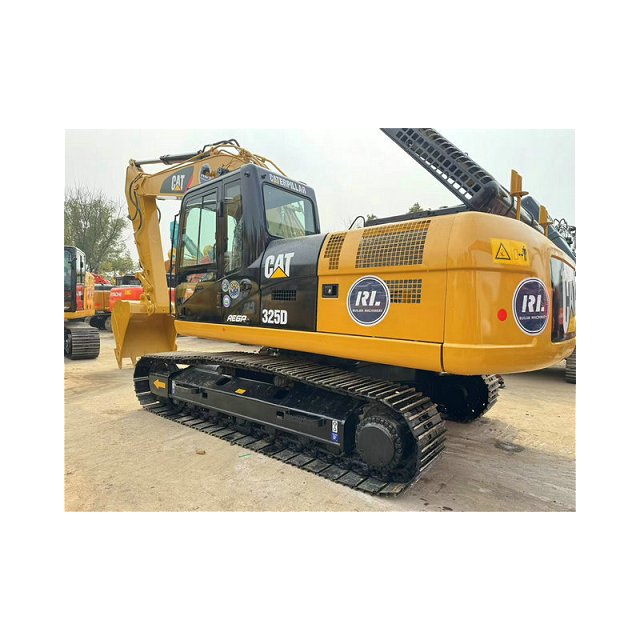
Physical site conditions often override any theoretical paper calculations. You must look closely at the physical environments where your operators work most frequently. Certain ground terrains demand highly specific traction and mobility solutions to maintain safety.
Here are common scenarios where an excavator becomes your undeniable first choice:
Operating safely in highly confined urban spaces or narrow residential building lots.
Navigating safely through muddy, swampy, or severely uneven terrain without getting stuck.
Preparing initial residential foundations and installing deep underground municipal utilities.
Tearing down old structures and immediately loading the debris into high-sided dump trucks.
Track-based stability provides superior floatation in exceptionally poor soil conditions. Wheeled machines often sink rapidly or spin out helplessly in deep mud. Tracks allow you to keep working productively right after heavy rain storms pass through.
Conversely, specific project scales make a motor grader completely non-negotiable. You will undoubtedly need one if you face these exact contracts:
Maintaining endlessly long stretches of rural dirt or gravel county roads.
Preparing perfectly level subgrades for large-scale commercial asphalt paving projects.
Executing heavy, high-speed snow removal contracts for local municipalities during winter.
Cutting precise drainage V-ditches along miles of newly constructed highway shoulders.
Graders provide immense labor-cost savings in these specific scenarios. A highly skilled operator easily achieves a perfect slope in a single pass. Multi-pass rough grading via an excavator burns far too much fuel and man-hours on expansive flatwork.
Many successful contractors wisely embrace a highly practical compromise route. They purchase an excavator to efficiently handle ninety percent of the initial site preparation. They use it exclusively for all rough grading and bulk material distribution. Then, they simply rent or outsource a grader for the final ten percent of precision surface work. This proven strategy protects your operating capital while still delivering perfect final results.
Buying used machinery naturally carries inherent mechanical risks. You must meticulously inspect every single component before signing any final purchase agreement. Hidden component wear can quickly destroy your monthly operating budget.
Excavators require a highly specific and methodical inspection protocol. You must manually check the main slew ring for excessive play or rough hesitation. Inspect the undercarriage lifespan carefully by measuring metal thickness. Look closely at the drive sprockets, idlers, and bottom rollers for sharp edges or oil leaks. Listen closely for a high-pitched hydraulic pump whine while placing the machine under a heavy load. Finally, examine the main boom and stick assembly for structural stress cracking or fresh, unpainted weld repairs.
Graders demand a completely different evaluation focus from your mechanic. Precision failures immediately render these complex machines virtually useless. You must measure the circle turn wear accurately using proper gauges. Test the main articulation joint integrity by observing any unwanted movement during rapid steering changes. Inspect the heavy tandem drive housings for thick gear oil leaks around the wheel seals. Always check the main moldboard and cutting edge condition for uneven, wavy wear patterns.
Many experienced buyers maintain a healthy skepticism around used equipment. You should fully embrace this highly cautious mindset. You must demand a scheduled fluid analysis (SOS) before purchasing any machine. Verify all paper service records directly against the machine's digital hour meter. This extensive diligence helps you avoid inheriting a previous owner's disastrous deferred maintenance habits.
Component Focus | Excavator Checkpoints | Grader Checkpoints |
|---|---|---|
Primary Movement | Slew ring play, boom/stick weld cracks | Circle turn wear, center articulation joints |
Drive System | Undercarriage sprockets, roller leaks, track tension | Tandem drive oil leaks, wheel leaning cylinders |
Hydraulics | Main pump whine, bucket cylinder scoring | Valve block leaks, blade response lag |
Moving from technical evaluation to actual purchasing requires finding a truly reliable partner. You must understand clearly what separates a trustworthy Used Excavator supplier from a high-risk equipment liquidator. Reputable dealers consistently offer certified pre-owned programs and highly robust post-sale support. They also guarantee entirely clear ownership titles for every single machine they sell. Public auction houses rarely provide these crucial safety nets for buyers.
Warranties and aftermarket parts availability should strongly drive your final brand selection. You should prioritize buying mainstream brands like Cat, Deere, Komatsu, or Kubota. Aftermarket replacement parts for these major brands remain globally abundant. Local mechanic expertise is also exceptionally easy to find in most regions. Buying an obscure equipment brand might temporarily save money upfront. However, waiting several weeks for imported replacement parts will completely paralyze your active projects.
You must accurately factor financing and physical logistics into your final decision. Moving large excavators requires scheduling expensive lowboy transport services and wide-load permits. Graders can often drive short distances safely between local job sites independently. Financing rates for used heavy machinery fluctuate heavily based on the dealer's specific banking relationships. Always ask your chosen supplier to run multiple financing scenarios to find the lowest possible monthly obligation.
The operational data strongly suggests a very clear path for the vast majority of equipment buyers. For nearly eighty percent of growing contractors and fleet managers, the excavator stands out as the most logical first purchase. Its extreme operational flexibility keeps your business generating revenue continuously across highly varied site conditions. You should actively reserve a motor grader purchase strictly for scale-specific roadwork or massive commercial flatwork projects.
Take these concrete action steps to move forward confidently today:
Map out your guaranteed project backlog and evaluate required capabilities for the upcoming year.
Review current machinery inventory based strictly on your required digging depth and breakout force.
Request detailed maintenance service history logs before ever scheduling a physical machine inspection.
Discuss flexible financing options and logistics requirements with a trusted equipment partner.
A: No, it cannot replace a grader for tight-tolerance final grading on a large commercial scale. However, yes, it perfectly handles rough grading, initial site prep, and shaping small residential pads when equipped properly.
A: Resale value varies by local market conditions. However, mid-sized excavators generally offer much higher market liquidity. They feature a broader global appeal across diverse industries like farming, landscaping, and urban construction.
A: A machine showing between 3,000 and 5,000 hours often represents the perfect sweet spot. This range beautifully balances initial depreciation drops with plenty of remaining major component life, assuming you verify documented maintenance records.
A: Renting the grader usually proves better. You achieve excellent cost-benefits by renting highly specialized equipment just for the final precision phase of a project, while owning your primary multi-tool for daily work.


