

close
Choose Your Site
Global
Social Media
Views: 0 Author: Site Editor Publish Time: 2026-04-13 Origin: Site


When planning your construction or excavation project, one of the most critical decisions you’ll face is selecting the right size used excavator. The size of the excavator you choose can have a profound effect on your project’s efficiency, cost, and overall success. Whether you're working in a confined urban environment, handling landscaping tasks, or managing a large-scale construction site, choosing the appropriate excavator size is essential for optimizing performance and minimizing expenses. Understanding the various excavator categories and aligning them with your project’s specific needs—such as space constraints, project scope, and soil conditions—will ensure you make the most informed decision. A well-chosen excavator not only enhances productivity but also helps in avoiding unnecessary delays and costs. By assessing your project’s requirements and selecting the ideal excavator, you set the foundation for a smooth, cost-effective operation.
Before selecting a used excavator for your project, it is essential to understand the different excavator size categories available in the market. Excavators come in various sizes, typically divided into small, medium, and large categories. Below is a breakdown of the key categories and specifications to help you understand what each size range typically offers.
Excavator Size | Weight Range | Typical Use | Common Projects |
Mini Excavators | 1-6 tons | Small-scale projects, compact spaces | Residential projects, utilities, landscaping |
Midi Excavators | 6-10 tons | Medium projects, some maneuverability | Medium construction, roadwork, small excavation tasks |
Large Excavators | 10+ tons | Heavy-duty projects, large-scale tasks | Mining, large construction, demolition |
Mini excavators are small machines with compact footprints, making them ideal for working in tight spaces. These machines typically have a digging depth of up to 12 feet and are excellent for residential work, utility installations, and small landscaping jobs. Despite their small size, mini excavators are versatile and can perform a range of tasks such as digging trenches, lifting materials, and leveling surfaces.
Midi excavators offer a balance between power and maneuverability. These machines are suited for projects that require both heavy lifting and precise digging in more open spaces. Midi excavators are commonly used for mid-scale construction tasks, including roadwork, site preparation, and landscaping for commercial projects.
Large excavators are built for heavy-duty tasks, such as demolition, large-scale mining, and infrastructure projects. They offer greater digging depth, reach, and power, which makes them ideal for handling large-scale operations like digging foundations for high-rise buildings or breaking down concrete structures. These excavators are more fuel-consuming but provide superior performance for demanding tasks.
The size of the used excavator you choose will largely depend on the type and scale of the project you're undertaking. Understanding the different scenarios and how excavators of different sizes perform will help you make the right choice.
In urban environments or small residential projects, space is often limited, and you need a machine that can maneuver through narrow spaces without damaging surrounding property. Mini excavators are the best choice for these types of projects. Their compact design and low weight allow them to access tight corners, backyards, and even indoor areas for demolition or excavation.
Typical projects: Utility installation, small trenching, digging foundations for homes, and landscaping in tight spaces.
Benefits: High maneuverability, ease of transport, and cost-effective for short-term use.
When your project involves moderate excavation needs, such as site preparation for medium-sized buildings or roadwork, midi excavators are the right choice. These excavators can handle a variety of tasks and can perform with greater lifting capacity compared to mini excavators.
Typical projects: Small to medium-scale construction sites, landscaping for commercial properties, roadwork, and storm drainage.
Benefits: Better digging depth and reach than mini excavators, while still offering maneuverability.
For large-scale construction, mining, or demolition projects, large excavators are necessary. These machines are capable of handling massive digging depths, heavy lifting, and extensive workloads. They are designed to handle difficult conditions, such as working on tough ground or lifting heavy materials like large boulders or debris.
Typical projects: Large infrastructure projects, mining, commercial building foundations, and demolition.
Benefits: High productivity, ability to handle demanding tasks, and superior digging capabilities.
Selecting the correct size of a used excavator involves considering various factors that go beyond just the project size. Below are the key factors to assess when determining which excavator will suit your project needs.
The size of your project will dictate the kind of excavator you need. For small jobs, like digging a trench or removing landscaping, a mini excavator is more than enough. For projects like road construction or large landscaping jobs, a midi or large excavator will be required for better efficiency and performance.
Space limitations are another critical factor. If you are working in an area with limited access, such as urban or residential areas, you need to choose an excavator that can maneuver in tight spaces. Mini and midi excavators are typically preferred in these environments.
The type of soil you are working with can also determine which size is appropriate. Softer soils may require larger, more powerful excavators that can handle digging in such conditions, while firm soils might not require a large machine. Assess the soil conditions beforehand to select the correct equipment.
When choosing an excavator, consider the depth of digging required for your project. Large excavators can dig deeper than smaller ones, which is crucial for projects like large-scale foundations or demolition. Ensure the excavator you select can meet the digging depth needs of your project.
Maneuverability is an important factor, especially if the worksite has obstacles or limited space. Mini excavators have excellent maneuverability in tight spaces, while midi and large excavators are better suited for open sites where heavy lifting is required.
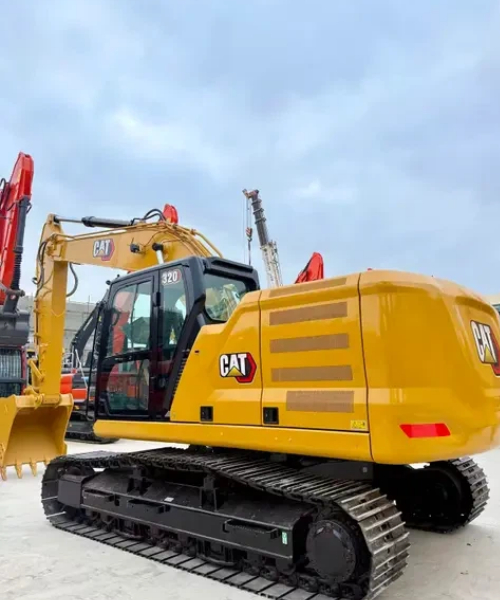
Choosing the appropriate size for your project has several benefits, including cost savings, increased efficiency, and better project outcomes.
Using the correct size machine can reduce unnecessary fuel consumption and prevent you from overpaying for a larger machine that isn't needed for your project. Overestimating the required size may lead to higher costs due to the machine’s fuel usage and operational expenses.
Fuel consumption varies significantly between excavator sizes. Mini and midi excavators tend to be more fuel-efficient for smaller projects, while larger excavators will consume more fuel, but their higher power output justifies this cost for larger projects.
When you choose the right size, you’ll notice a significant improvement in the performance of the machine. A machine that is too large for a task may be inefficient and underperform, while a machine that is too small may not be able to handle the workload, reducing overall productivity.
Choosing the right excavator size can be tricky. Below are some common mistakes to avoid when selecting your used excavator.
One of the most common mistakes is choosing an excavator that is too large for the task. While large excavators offer powerful performance, they are unnecessary for smaller projects and can lead to increased costs and inefficiencies.
On the other hand, underestimating your needs by selecting a machine that is too small can also hinder project progress. A machine that is too small will struggle to handle heavy loads, resulting in delays and possible damage to the machine.
Selecting the right size used excavator for your project is essential to ensure efficiency, cost-effectiveness, and optimal performance. By understanding the different excavator categories and evaluating your project’s specific needs—such as project size, space limitations, and soil conditions—you can make an informed choice. Whether you are dealing with residential, medium-scale construction, or large infrastructure projects, choosing the correct excavator size is key to minimizing costs and maximizing productivity.
At Shanghai Ruilan Engineering Machinery Co., Ltd., we specialize in offering a wide range of high-quality used excavators to meet the diverse needs of our customers. Our team is dedicated to helping you select the right equipment tailored to your project specifications. With our expertise and extensive inventory, we ensure that you have access to the best excavators for optimal performance.
If you're unsure about which excavator size is right for your project, feel free to contact us. We are here to provide expert advice and guide you in choosing the perfect machine for your needs. Reach out to us today for more information and personalized recommendations.
Q: How do I know if I need a mini or midi excavator?
A: Mini excavators are ideal for small projects with tight spaces, while midi excavators are better suited for medium-scale tasks that require more lifting capacity and digging depth.
Q: Can I use a large excavator for smaller projects?
A: While it's possible, using a large excavator on a smaller project can lead to inefficiency and increased costs due to higher fuel consumption and size mismatch.
Q: How do soil conditions affect my excavator choice?
A: Softer or uneven soil may require a larger excavator for better stability, while compacted ground allows for the use of smaller machines.
Q: Is it advisable to purchase a used excavator?
A: Yes, as long as it’s well-maintained, a used excavator can provide significant savings while still offering excellent performance for various projects.


