

close
Choose Your Site
Global
Social Media
Views: 0 Author: Site Editor Publish Time: 2026-05-12 Origin: Site


Purchasing pre-owned heavy machinery effectively mitigates steep initial depreciation. New equipment often loses up to 30% of its value in the first three years. However, upfront savings disappear quickly without a rigorous evaluation framework. Buyers face massive financial risks from catastrophic repair costs. Unexpected site downtime can paralyze your entire project. Cosmetic touch-ups easily hide severe mechanical flaws from untrained eyes. You need a reliable method to spot the difference between a disguised liability and a genuinely sound machine.
This guide provides a skeptical, mechanic-aligned evaluation framework. We will walk you through critical inspection points. You will learn to evaluate everything from undercarriage wear profiles to dynamic hydraulic tests. We show you exactly what physical signs reveal hidden damage. By the end, you will know how to separate cosmetically refreshed equipment from mechanically sound assets.
Undercarriage dictates cost: The undercarriage accounts for roughly 40% to 50% of a tracked machine's total replacement cost over its lifespan.
High-risk components require dynamic testing: Never buy based on static visual inspections; slew rings and center hydraulic pivots require under-load testing.
Hours are relative: 5,000 hours on a mini excavator indicates end-of-life proximity, while 5,000 hours on a heavy-duty 40-ton machine is merely mid-life.
Logistics and compliance matter: Hidden costs like cross-border Tier 4 emissions compliance and oversized transport permits can break a project budget.
The undercarriage demands your immediate attention during any inspection. It represents the largest ongoing maintenance expense for tracked machinery. A visual check is never enough. You must actively measure and evaluate specific wear profiles.
Inspect the sprocket teeth carefully. Rounded teeth indicate normal, balanced wear across the system. You want to see uniform curves. Conversely, "hooked" or sharp teeth signal advanced deterioration. They look like breaking waves. This hooked shape warns of an impending, expensive replacement cycle. Do not ignore it.
Look closely at the track chains, idlers, and bottom rollers. Severe wear here means you must factor in a large replacement cost buffer. A complete undercarriage overhaul often exceeds $5,000. Measure the pin boss clearance. Check the rollers for flat spots. Flat spots occur when bearings seize and the chain drags across the stationary roller. If you see uneven wear, the track alignment is likely compromised.
You must differentiate between factory welds and field-repair welds. Factory welds look uniform, smooth, and precise. Field welds often appear sloppy, inconsistent, or bulky. Reject machines showing plating or heavy welding over the main boom. Do the same for the stick. These repairs indicate historical overloading. The previous operator pushed the machine beyond its engineered limits. Micro-fractures likely exist elsewhere in the frame.
Check for excessive movement between the boom, stick, and bucket. Mechanics call this loose play "slop." Plant the bucket on the ground. Have an operator gently manipulate the controls. Watch the connection points. Excessive slop heavily reduces grading precision. It means you face immediate line-boring and rebushing expenses. These repairs demand specialized mobile machining, adding high labor costs.
Ignoring the belly pan for hidden dents or fluid pooling.
Failing to measure track sag against manufacturer specifications.
Assuming a fresh coat of paint means a rust-free frame.
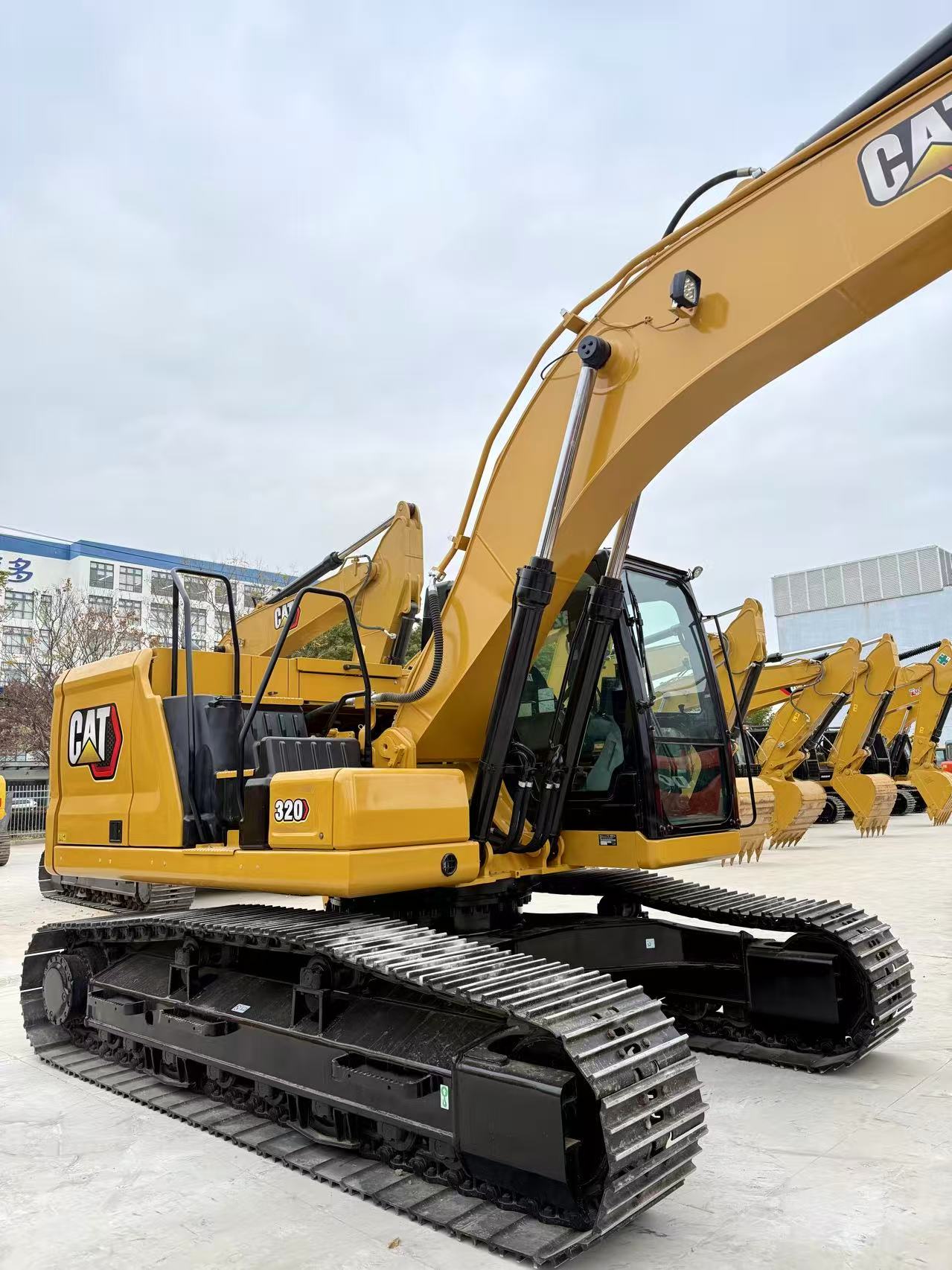
Static visual inspections tell you nothing about a machine's actual working health. A freshly washed engine bay looks great but hides internal failures. You must put the machine under load. High-risk components demand dynamic testing to reveal their true condition.
You must conduct a hydraulic stall test. Apply a moderate, sustained load to the hydraulics. Pin the bucket against a solid, immovable object. Alternatively, crowd the bucket fully until it reaches the end of its stroke. Hold the control lever open. Listen to the engine. Evaluate the pump health. A healthy system handles standard loads smoothly. The engine RPM should drop slightly but remain steady. Erratic vibrations or engine stalling indicate weak pumps or fuel starvation.
The slew ring is a massive turntable bearing. It connects the upper structure to the undercarriage. Slowly rotate the cab in a full circle. Feel for uneven resistance. Listen for grinding noises. Watch for excessive vertical play when the boom lifts a load. These symptoms point to a failing slew ring. Replacing this part is incredibly labor-intensive. It requires lifting the entire upper cab structure off the tracks.
Look deep into the undercarriage center. You will find the rotary manifold, also known as the center hydraulic pivot. Check this area aggressively for leaks. This component allows hydraulic fluid to travel from the stationary lower frame to the rotating upper cab. Heavy leaking here requires a massive teardown to fix. Mechanics must disconnect numerous high-pressure lines in a very tight space.
Examine every hydraulic cylinder rod. Look for surface rust, pitting, or scoring. Even minor scratches act like sandpaper. They will rapidly destroy expensive cylinder seals. Next, inspect the rubber hoses. Look for dry, pliable lines. Weeping or brittle hoses pose high contamination risks. A burst hose introduces dirt directly into the hydraulic system. This ruins sensitive valves and pumps.
Component | Healthy Indicator | Failure Symptom | Repair Complexity |
|---|---|---|---|
Hydraulic Pump | Smooth operation under stall test | Engine bogs down heavily; whining noise | High |
Slew Ring | Smooth, quiet 360-degree rotation | Grinding, popping, vertical cab play | Very High |
Center Pivot | Dry rotary manifold housing | Pooling hydraulic fluid near center joint | High |
Cylinder Rods | Mirror-like finish, dry seals | Pitting, scoring, weeping fluid | Medium |
Hour meters often mislead buyers. Evaluating a machine based strictly on a single number is a massive mistake. You must contextualize the operating hours against the machine's physical size and its brand lineage.
Evaluate the hour meter against machine size. Operating life expectancies differ wildly between weight classes. A large 40-ton excavator utilizes robust, heavily reinforced components. It can reliably operate past 15,000 hours. This requires responsible maintenance and routine fluid changes. Compact machines face entirely different physical stresses. They operate at higher RPMs and endure constant jarring. Consequently, they degrade much faster. A 5,000-hour mark on a mini excavator indicates end-of-life proximity.
Brand selection directly impacts your long-term success. Base your manufacturer selection on regional parts availability. Secondary market support is crucial. A great deal on an obscure brand becomes useless if you cannot source a replacement water pump locally.
Local Dealer Support: Assess whether local dealers support the specific Used Excavator manufacturer you are evaluating. Call nearby service centers. Ask about their inventory for common wear parts.
Brand-Specific Traits: Factor in unique brand characteristics. Some large models offer superior fuel efficiency. Certain compacts provide unmatched hydraulic precision. Be cautious of proprietary telematics. Some brands mandate expensive subscriptions to unlock basic diagnostic codes.
Never trust the dashboard blindly. You must cross-reference physical wear with the recorded hours. Inspect the cab interior meticulously. Look at the foot pedals, the operator seat, and the joystick grips. Ensure the physical deterioration aligns with the display. Suppose you find an allegedly "low-hour" machine. However, the floor mats are worn through, and the joysticks are smooth. This severe cab wear strongly suggests a rolled-back or replaced meter. Walk away immediately.
Always request the ECM (Electronic Control Module) download. The mechanical hour meter might break or be tampered with. The internal computer rarely lies. It logs idle time, high-load time, and exact operating hours.
Many buyers focus entirely on the machine itself. They forget the surrounding logistical realities. Ignoring environmental laws, attachment compatibility, and transport rules will destroy your project budget. You must evaluate these external factors rigorously.
Environmental regulations grow stricter every year. You must verify engine compliance. This is critical for cross-border purchases. It also matters in strictly regulated municipal zones. Verify the engine meets Tier 4 final emissions standards. Non-compliance carries severe penalties. In many regions, operating older Tier 1 or Tier 2 engines is strictly prohibited. Non-compliance can render the machine legally unusable on commercial sites.
A machine is only as useful as its tools. Ensure the equipment is plumbed for your necessary attachments. Look for auxiliary hydraulics running down the boom. You need these lines to operate thumbs, concrete breakers, or processing shears. Finding a cheap, bare machine seems like a victory. However, retrofitting auxiliary plumbing adds significant cost and complex shop time.
Calculate the logistical realities before transferring funds. Moving heavy equipment is inherently difficult. Large excavators require specialized heavy-haul trailers. They often trigger oversized load regulations. You will need special transport permits and specific routing plans. Escort vehicles might be mandatory. These transport costs accumulate rapidly. They must be factored into your operational budget.
Paperwork protects your investment. Demand detailed maintenance interval records. Verify there are no existing financial liens on the equipment. A bank can repossess your machine if the previous owner defaulted. Ask for consistent fluid sampling records. Scheduled Oil Sampling (S·O·S) records are the gold standard. They prove internal engine and hydraulic health. They show a timeline of trace metal accumulation, confirming the owner actually cared for the equipment.
You have inspected the undercarriage, tested the hydraulics, and checked the paperwork. Now you must synthesize this information. A successful purchase requires emotional discipline. You need a structured approach to finalize the decision.
Perfection does not exist in the used market. You must establish a baseline tolerance for wear. Differentiate clearly between acceptable aesthetic flaws and absolute deal-breakers. Faded paint, ripped seat covers, and minor sheet metal dents are normal. They do not affect earthmoving capabilities. Deal-breakers are different. Metal shavings in the hydraulic fluid are fatal. Bad main pumps require immediate rejection. Cracked structural booms mean extreme danger. Set your boundaries early.
Never rely solely on your own eyes. Confirmation bias easily clouds judgment when you find a cheap machine. Always conduct the final inspection alongside an independent heavy equipment mechanic. Alternatively, bring a highly experienced operator. They notice subtle auditory cues. They feel minor vibrations in the joysticks. Their objective analysis is worth their day rate.
Buying outright carries high capital risk. If this risk makes you uncomfortable, explore alternative acquisition paths. Look for lease-to-own agreements. Seek out rental purchase options (RPO). These contracts allow you to test the equipment in real-world conditions. You can evaluate a Used Excavator thoroughly on your job site before committing entirely.
A successful equipment purchase relies on a balanced evaluation of overall financial risk. You must scrutinize visible mechanical wear, especially on the undercarriage. You must uncover hidden hydraulic health through rigorous dynamic testing. A strong OEM support network guarantees you can keep the machine running. Finally, strict operational compliance ensures your investment remains legal and productive on modern job sites.
Here are your actionable next steps:
Demand and review comprehensive maintenance logs and S·O·S fluid samples.
Schedule an independent mechanic to perform a heavy-load stall test.
Verify your local dealer network supports the specific brand.
Calculate transport and attachment retrofitting costs before bidding.
Take control of your acquisition process today. Browse verified inventory, demand transparency, and never skip the dynamic physical inspection.
A: It depends heavily on the machine's size class. For a compact mini excavator, 4,000 to 5,000 hours is considered high and indicates it is nearing the end of its life. However, for a well-maintained heavy-duty 30-ton machine, 8,000 to 10,000 hours is merely mid-life.
A: The engine, main hydraulic pump, slew ring (turntable bearing), and a complete undercarriage overhaul are the highest-cost items. Additionally, fixing leaks in the center hydraulic pivot incurs massive labor costs due to complex teardown requirements.
A: Tracked machines provide maximum stability, superior lifting capacity, and excellent traction for rough, muddy terrain. Wheeled machines are highly mobile and ideal for urban utility work, as they avoid causing damage to finished asphalt and concrete surfaces.


